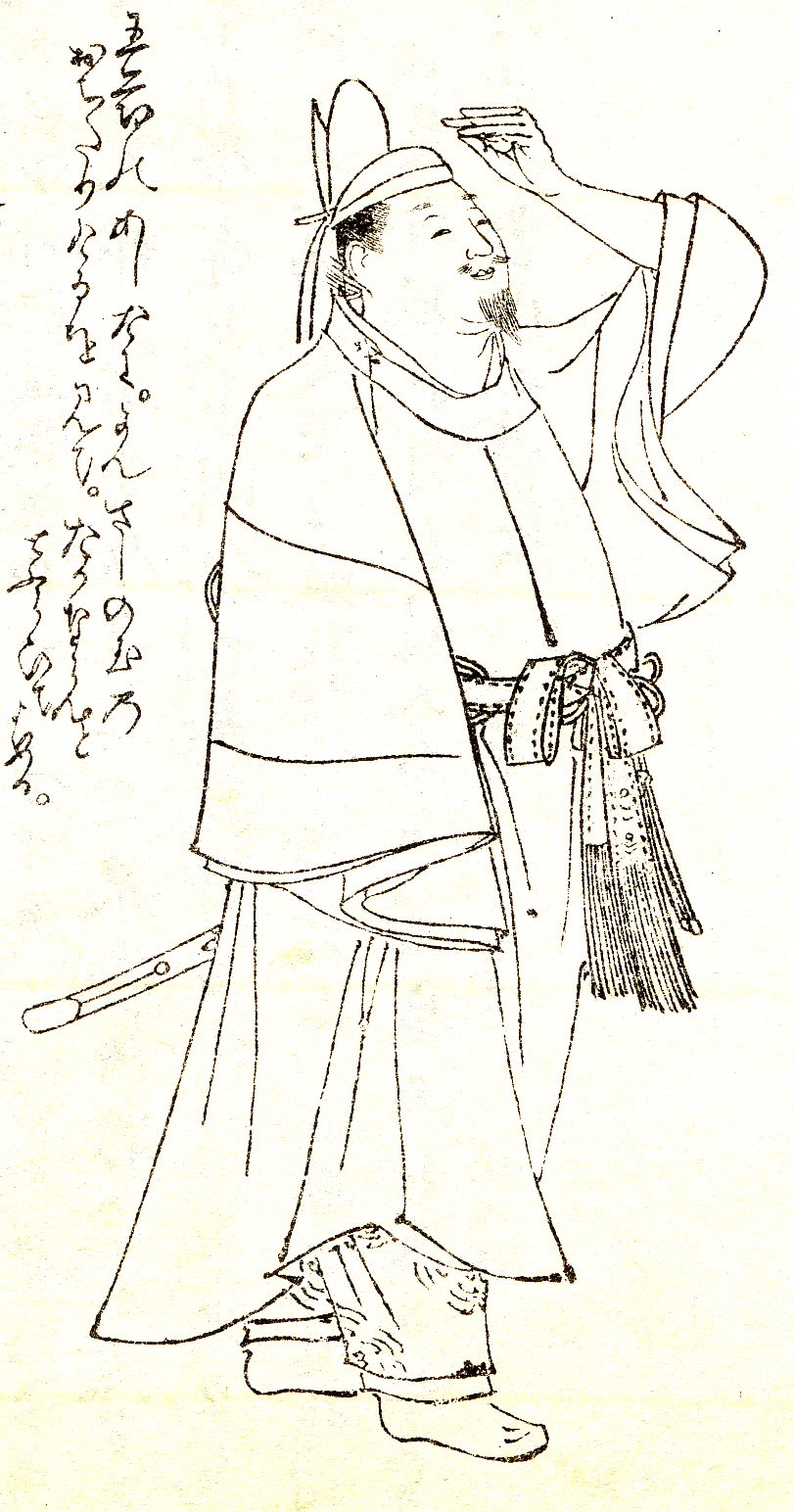
📚 Day 14 of the Hyakunin Isshu translation challenge is here! We’re exploring the profound verses of Minamoto no Tōru, a poet and statesman from Japan’s storied past. As we delve into the world of classical Japanese poetry, we invite you to journey with us and catch up on the past 13 days of this literary adventure. Let’s celebrate the beauty of language and culture together. 📜🌿 #JapaneseLiterature #PoetryTranslation #CulturalHeritage #HyakuninIsshuChallenge
Welcome to Day 14 of our journey through the Hyakunin Isshu, a collection of one hundred poems by various poets from Japan’s rich literary history. We’ve explored the diverse themes and emotions conveyed by these classical verses, each offering a unique glimpse into the cultural and emotional landscape of their time.
In the previous days, we’ve uncovered the hidden depths of classical Japanese poetry, translating and discussing each poem’s historical context, symbolism, and timeless relevance. From the elegant verses of Ono no Komachi to the poignant reflections of Emperor Yozei, we’ve delved into the minds of these poets and the societies that shaped their words.
As we continue this poetic odyssey, let’s revisit the wealth of knowledge and inspiration from the past 13 days:
- Day 1 – Ono no Komachi – Exploring the mysterious allure of one of Japan’s most renowned female poets.
- Day 2 – Ki no Tsurayuki – Uncovering the literary legacy of a Heian-era bureaucrat.
- Day 3 – Sarumaru no Taifu – Journeying through the life of a monk-poet from Japan’s early Heian period.
- Day 4 – Yamabe no Akahito – Discovering the poetic works of an enigmatic Nara period figure.
- Day 5 – Empress Jitō – Exploring the myth and reality surrounding Empress Jitō, a unique figure in Japanese history.
- Day 6 – Middle Counselor Yakamochi – Unveiling the captivating verses of a prominent Nara period poet.
- Day 7 – Semimaru – Reflecting on the poignant poetry of Semimaru, a blind musician and poet.
- Day 8 – Kisen – Diving into the wistful verses of Kisen, an early Heian-period monk and poet.
- Day 9 – Ono no Komachi (Revisited) – Rekindling our appreciation for the haunting beauty of Komachi’s poetry.
- Day 10 – Sosei Hoshi – Exploring the timeless themes in the work of Sosei Hoshi, a Buddhist monk and poet.
- Day 11 – Sakanoue no Korenori – Understanding the intricate verses of Sakanoue no Korenori, a lesser-known poet.
- Day 12 – Henjō – Delving into the profound yet mysterious poetry of Henjō, a Buddhist nun and poet.
- Day 13 – Emperor Yozei – Rediscovering Emperor Yozei’s 13th poem, rich with nature imagery and love.
Join us as we continue to unlock the beauty and wisdom of classical Japanese poetry. Today, we explore the work of Minamoto no Tōru, a poet and statesman whose verse has left an indelible mark on Japan’s literary heritage.
The Poet
Minamoto no Tōru was a significant figure in Japanese literature and politics during the Heian period. His role as Kawara no Sadaijin, Minister of the Left of Kawara, was influential. Now, let’s delve into his poignant poem from the Ogura Hyakunin Isshu anthology:
The poem and my translation:
みちのくの
しのぶもぢずり
誰故に
乱れそめにし
我ならなくに
Amid the mountains
Of Michinoku, in secret,
I pine away—
For whom, I wonder, have I
Become so disheveled?”
This poem reflects the complex emotions and societal norms of the time, where love and longing were often concealed. As modern readers, we can appreciate the subtle beauty of expressing deep feelings in an indirect manner, and the enduring power of Minamoto no Tōru’s verse.
Translating Minamoto no Tōru’s 14th poem from the Hyakunin Isshu is a delicate endeavor. Tōru was not only a gifted poet but also a statesman of high stature. His verse encapsulates the ethos of his era, marked by a blend of elegance and responsibility.
In this translation, I aimed to retain the essence of Tōru’s work while making it accessible to modern audiences. It’s essential to respect the poet’s intentions, capturing the emotions and cultural nuances embedded in the original text. Yet, we must also recognize that language evolves, and translation acts as a bridge to connect different times and cultures.
Tōru’s poem reflects the themes of longing and love, emotions that resonate across centuries and borders. By embracing dynamic equivalence, I sought to convey these emotions in a way that feels natural to contemporary readers. This approach respects both Tōru’s artistry and the evolving nature of language.
As we continue this translation journey, we celebrate not only the poets of old but also the enduring power of literature to transcend time and place. Each poem is a window into Japan’s past, and through translation, we invite you to peer through that window and glimpse the beauty of another era.
Let us keep this spirit of exploration alive as we move forward, diving deeper into the Hyakunin Isshu and the world of classical Japanese poetry.
Thank you for joining me on this journey through the Hyakunin Isshu. We’ve explored the rich tapestry of classical Japanese poetry, delving into the emotions, culture, and history woven into these verses. If you’ve enjoyed our translations so far, consider subscribing to my newsletter for updates and to ensure you don’t miss any future translations. Your support is invaluable in bringing this project to life.

Leave a Reply