Day 6: Exploring the Poetic Masterpiece – Hyakunin isshu
Welcome, dear readers, to Day 6 of our captivating journey through the world of Japanese poetry and literature. As we continue our exploration of the renowned anthology Hyakunin isshu, we delve deeper into the timeless verses that have enchanted generations.
Drawing inspiration from the beauty of nature, the intricacies of human emotions, and the rich cultural tapestry of Japan, Hyakunin isshu encapsulates the essence of classical Japanese poetry. Each verse, carefully crafted by esteemed poets, evokes a profound sense of wonder and offers a glimpse into the depths of the human experience.
Throughout our translation challenge, we have witnessed the power of language as we bring these ancient verses to life for contemporary audiences. Our endeavor to preserve the lyrical beauty and profound meanings of these poems has been a truly mesmerizing experience.
From the haunting melodies of Ono no Komachi’s sorrowful longing to the vibrant imagery of Kakinomoto no Hitomaro’s enchanting landscapes, each poet has left an indelible mark on the literary traditions of Japan. By immersing ourselves in their words, we gain a deeper appreciation for the artistry and craftsmanship that went into creating these timeless treasures.
We invite you to embark on this poetic odyssey with us, as we unravel the layers of meaning, explore the cultural nuances, and uncover the hidden gems within each verse of Hyakunin isshu. Join us in celebrating the power of words, the beauty of Japanese literature, and the rich heritage that has shaped the poetic landscape.
And if you’re just joining us, fear not! Take a moment to catch up on the poetic wonders of Days 1-5, where we have unraveled the mysteries of classical Japanese poetry, delved into the world of waka and tanka, discovered the illustrious poets of the Nara period, and explored the captivating history of Nintendo’s Hanafuda cards.
Together, let’s embrace the timeless beauty of Hyakunin isshu, ignite our passion for poetry, and embark on a literary adventure that transcends time and space. Stay tuned for more intriguing revelations and enchanting verses as we continue our translation challenge.
Translation
Remember to immerse yourself in the captivating journey by visiting NicholasAndriani.com and catch up on Days 1-5 to truly experience the depth and beauty of the Hyakunin isshu. #HyakuninIsshu #PoetryTranslation #JapaneseLiterature #CulturalHeritage #LiteraryAdventure
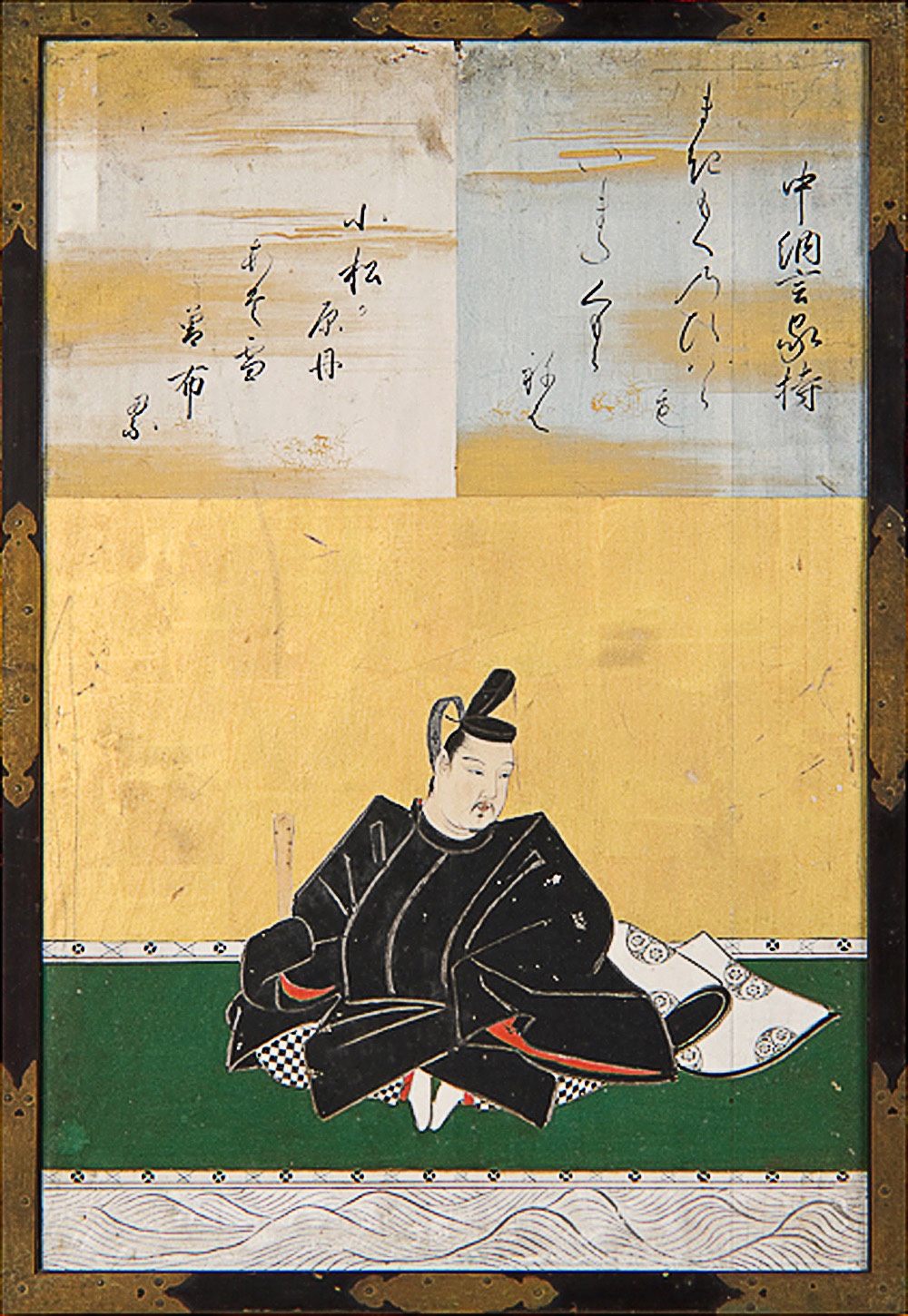
Middle Counselor Yakamochi (中納言家持) was a prominent poet and courtier during the Heian period in Japan. Known for his refined style and deep sensitivity, Yakamochi was a central figure in the literary circles of his time.
The poem attributed to Yakamochi for Day 6 of our translation challenge is as follows:
かささぎの
渡せる橋に
置く霜の
白きを見れば
夜ぞふけにける
I translate as:
On the bridge
where the herons pass,
frost is placed.
When I see its whiteness,
I know the night has grown late.
Yakamochi’s poetry often portrays scenes from nature, drawing upon them to evoke emotions and reflect on the fleeting nature of human existence. In this particular poem, he skillfully captures the essence of a serene winter night, where the presence of frost on the bridge signifies the progression of time and the approaching late hours.
His style is characterized by elegance, subtlety, and a deep appreciation for the beauty found in the ordinary. Yakamochi’s verses exhibit a delicate balance between vivid imagery and introspection, inviting readers to contemplate the transitory nature of life and the emotions it evokes.
Localization and translation philosophy
Let’s break down the translated poem by Middle Counselor Yakamochi line by line and delve into the choices made in the translation, the underlying translation philosophy, and the importance of balancing the needs of the audience with respect for the author and their culture.
Line 1: かささぎの (kasasagi no) – “On the bridge where the herons pass,”
Line 2: 渡せる橋に (watareru hashi ni) – “frost is placed.”
Line 3: 置く霜の (oku shimo no)
Line 4: 白きを見れば (shiroki o mireba) – “When I see its whiteness,”
Line 5: 夜ぞふけにける (yo zo fuke ni keru) – “I know the night has grown late.”
In translating this poem, the aim is to capture the essence and imagery of the original while adapting it to resonate with a contemporary audience. Each line is carefully crafted to maintain the emotional resonance and symbolic power while ensuring that the meaning is accessible and engaging.
In line 1, “On the bridge where the herons pass,” the choice of words creates a visual image of a bridge where graceful herons glide through. This imagery sets the stage and prepares the reader for the subsequent description of frost.
Line 2, “frost is placed,” conveys the presence of frost on the bridge. The word “placed” is chosen to evoke a sense of delicacy and purposeful arrangement, reflecting the aesthetic sensibilities of the author’s culture.
In line 4, “When I see its whiteness,” the word “whiteness” captures the visual quality of the frost, highlighting its color and purity. This choice emphasizes the poet’s keen observation and his ability to perceive beauty in simple elements of nature.
The final line, “I know the night has grown late,” conveys a sense of the passage of time and the approaching darkness. It reflects the emotional response of the poet as he contemplates the late hour, adding a touch of introspection and melancholy.
When translating poetry, it is crucial to strike a balance between honoring the author’s original intent and making the work accessible to a contemporary audience. The translation philosophy should prioritize capturing the spirit, imagery, and emotional resonance of the poem while remaining faithful to the cultural context and style of the original work.
Respecting the author and their culture means being mindful of the historical and cultural nuances embedded in the poem. It involves understanding the symbolism, traditions, and literary conventions of the time period in which the author wrote, and seeking to convey them in a way that resonates with modern readers without diluting their essence.
By striving to strike this balance, the translation aims to bridge the gap between different eras and cultures, bringing the beauty of Middle Counselor Yakamochi’s poetry to a wider audience while preserving the integrity of his work.
On and on to Patreon
As we come to the end of Day 6, we continue our journey through through the translation of classical Japanese poetry. Middle Counselor Yakamochi’s evocative verses have transported us to a bridge where herons pass and frost delicately adorns the landscape. Through our careful translation, we have aimed to preserve the essence and beauty of Yakamochi’s words while making them accessible to modern readers.
This project of translating the Hyakunin Isshu is a labor of love, and I am incredibly grateful for your support and enthusiasm along the way. Your engagement and encouragement fuels my passion to bring these timeless poems to life and share them with a wider audience.
As we move forward, I invite you to join me on this poetic exploration by becoming a patron on my Patreon page. By supporting this project, you will not only gain access to exclusive content and behind-the-scenes insights but also play a crucial role in bringing this collection to fruition.
With your generous support, my goal is to publish a full-length poetic translation of the Hyakunin Isshu this holiday season of 2023. This will be a celebration of the rich cultural heritage of Japan and a gift to poetry lovers seeking to immerse themselves in the beauty of these ancient verses.
Together, let us preserve and honor the literary treasures of the past while sharing their timeless wisdom and enchantment with the world. Visit my Patreon page to learn more about how you can contribute to this endeavor and be a part of this poetic journey.
Thank you for joining me on this remarkable voyage of discovery, and I look forward to continuing our exploration of the Hyakunin Isshu in the days to come.
Warmest regards,
Nicholas, the Wandering Scholar

Leave a Reply