In an age where the boundary between reality and fantasy is becoming increasingly blurred, the allure of fictional worlds has captured the imagination of millions. In his groundbreaking book “As If,” author Michael Saler delves into the depths of this phenomenon, dissecting the fascinating interplay between enchantment, irony, and reason in the modern world.
Saler’s exploration begins with a question that lingers in the minds of many: How do fictional worlds hold such an enduring appeal in a society deemed “disenchanted” by rationality and reason? The answer lies in the argument that these fictional realms offer a respite, a supplement, or perhaps a replacement for the enchanted world of the premodern era.
Steering us through a journey of historical and literary contexts, Saler uncovers the roots of organized fandom in the early 20th-century genre and pulp space. He astutely points out how readers today persistently engage with virtual worlds, drawing parallels with our contemporary fascination with virtual reality experiences. It becomes evident that people are increasingly finding solace and leisure in the exploration of imaginative realms.
Central to Saler’s thesis is the concept of “animistic reason,” which he defines as the harmonious coexistence of imagination and rationality within modern fantasy. This unique blend allows readers to embrace alternative worlds and perspectives, cultivating a more open-minded and pluralistic worldview. However, Saler is not oblivious to the potential dangers of this approach, drawing attention to how some authors may use it to reinforce their prejudices within the fabric of reality.
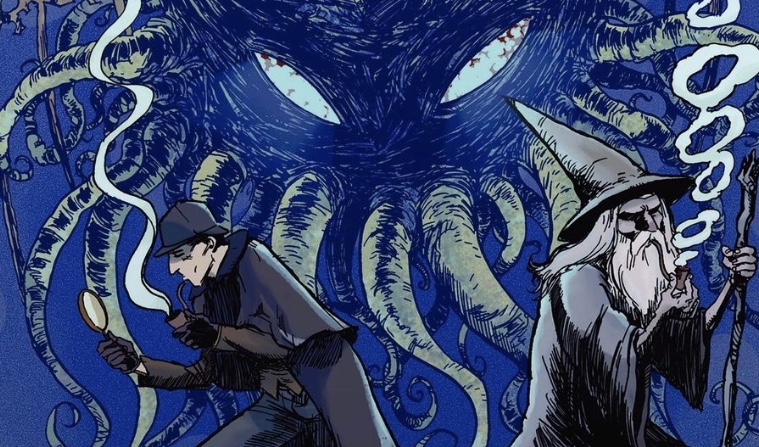
Throughout the book, Saler skillfully weaves together philosophical and sociological theories, enriching his analysis with deeper insights. He traces the rise of public spheres of imagination, which foster critical discussions and interpretations of fictional narratives. By exploring the works of literary giants such as Arthur Conan Doyle, H.P. Lovecraft, and J.R.R. Tolkien, Saler uncovers the nuances of their approaches to enchantment and irony, leaving readers with a profound understanding of their creative endeavors.
Indeed, “As If” goes beyond a mere examination of authors and their works; it delves into the very essence of human consciousness and perception. The book challenges readers to question their own relationship with fictional worlds and the impact such interactions have on their beliefs and ideologies.
Analysis
Saler’s book “As If” offers a thought-provoking and comprehensive analysis of the role of enchantment in modern society, focusing on the realm of fiction and imaginary worlds. Through a well-researched exploration of various authors and their works, Saler presents a compelling argument for the significance of modern fantasy as a replacement for the lost magical world of premodernity.
One of the strengths of the book lies in Saler’s ability to draw connections between historical contexts and contemporary phenomena. He traces the roots of organized fandom to the genre and pulp space of the 1920s and 30s, showcasing how communal reading and the persistence of fictional worlds foreshadowed today’s virtual reality experiences. The exploration of how people now engage in fictional worlds for recreational purposes highlights the shift in societal attitudes towards the imagination.
Saler’s concept of “animistic reason” is a central theme in the book, emphasizing the coexistence of imagination and rationality in modern fiction. He argues that this blending of the two allows individuals to embrace alternative worlds and perspectives, fostering a more open and pluralistic mindset. However, it is essential to note that Saler acknowledges the potential pitfalls of this approach, especially when authors like Lovecraft used it to embed their prejudices into their fictional worlds.
Throughout the book, Saler skillfully weaves in references to philosophical and sociological theories, enriching the analysis and providing a deeper context for his arguments. The book touches on Max Weber’s ideas on disenchantment, Horkheimer & Adorno’s views on modernity, and the decline of the author function as observed by Foucault.
By examining authors like Doyle, Lovecraft, and Tolkien, Saler offers nuanced insights into their unique approaches to enchantment and irony. His discussion of Sherlock Holmes, particularly contrasting the ironic and naive believers in the character’s existence, adds depth to the exploration of the ironic imagination. The examination of Tolkien’s Middle-Earth as a space for readers to stand outside time and experience a re-Christianization of the world opens up intriguing philosophical discussions.
One minor criticism is that at times, the book delves into complex theoretical concepts, which may make it less accessible to readers who are not well-versed in philosophical or sociological discussions. Additionally, some readers may find the book lacking in addressing the darker aspects of enchantment, such as the potential for escapism or uncritical acceptance of fictional narratives.
Overall, “As If” is a thought-provoking and well-researched book that offers an insightful exploration of enchantment and its place in modern fiction and society. It is an engaging read for those interested in the intersections of literature, philosophy, and cultural studies, providing valuable reflections on the role of imagination and reason in shaping our understanding of the world.
As we navigate a world increasingly dominated by digital escapism and immersive experiences, Saler’s “As If” offers a profound reflection on the power of enchantment and its influence on our lives. It stands as a compelling testament to the human desire to seek solace and wonderment in the realms of the unreal, prompting us to reconsider the boundaries of our own reality.
Saler’s book “As If” offers a thought-provoking and comprehensive analysis of the role of enchantment in modern society, focusing on the realm of fiction and imaginary worlds. Through a well-researched exploration of various authors and their works, Saler presents a compelling argument for the significance of modern fantasy as a replacement for the lost magical world of premodernity.
One of the strengths of the book lies in Saler’s ability to draw connections between historical contexts and contemporary phenomena. He traces the roots of organized fandom to the genre and pulp space of the 1920s and 30s, showcasing how communal reading and the persistence of fictional worlds foreshadowed today’s virtual reality experiences. The exploration of how people now engage in fictional worlds for recreational purposes highlights the shift in societal attitudes towards the imagination.
Saler’s concept of “animistic reason” is a central theme in the book, emphasizing the coexistence of imagination and rationality in modern fiction. He argues that this blending of the two allows individuals to embrace alternative worlds and perspectives, fostering a more open and pluralistic mindset. However, it is essential to note that Saler acknowledges the potential pitfalls of this approach, especially when authors like Lovecraft used it to embed their prejudices into their fictional worlds.
Throughout the book, Saler skillfully weaves in references to philosophical and sociological theories, enriching the analysis and providing a deeper context for his arguments. The book touches on Max Weber’s ideas on disenchantment, Horkheimer & Adorno’s views on modernity, and the decline of the author function as observed by Foucault.
By examining authors like Doyle, Lovecraft, and Tolkien, Saler offers nuanced insights into their unique approaches to enchantment and irony. His discussion of Sherlock Holmes, particularly contrasting the ironic and naive believers in the character’s existence, adds depth to the exploration of the ironic imagination. The examination of Tolkien’s Middle-Earth as a space for readers to stand outside time and experience a re-Christianization of the world opens up intriguing philosophical discussions.
One minor criticism is that at times, the book delves into complex theoretical concepts, which may make it less accessible to readers who are not well-versed in philosophical or sociological discussions. Additionally, some readers may find the book lacking in addressing the darker aspects of enchantment, such as the potential for escapism or uncritical acceptance of fictional narratives.
Overall, “As If” is a thought-provoking and well-researched book that offers an insightful exploration of enchantment and its place in modern fiction and society. It is an engaging read for those interested in the intersections of literature, philosophy, and cultural studies, providing valuable reflections on the role of imagination and reason in shaping our understanding of the world.

Leave a Reply