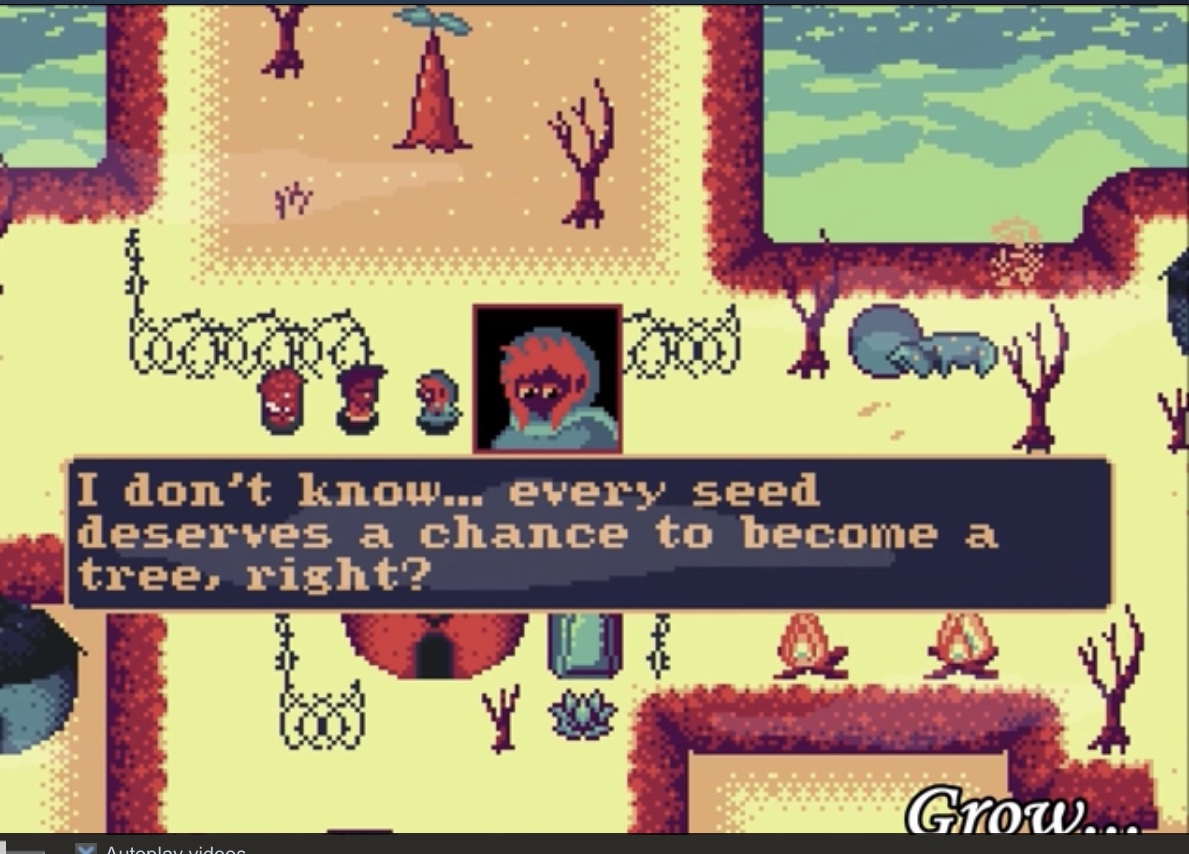
As a game studies scholar with expertise in literary theory, critical theory, and storytelling, I’d be happy to conduct a deep dive and game analysis of the indie JRPG “Nadia Was Here.”

Nadia was Here is a gorgeous pixel RPG that is inspired by 8 and 16 bit classics. Featuring a groundbreaking combat system and a deep, charming story about the value of life, Nadia was Here lets you play an oldschool RPG in a brand new way!
From Steam
REVIEWS
“The more I dig in, the more intriguing it appears, and the more interested I’ve become.”
Rock Paper Shotgun
“I was really struck by Nadia Was Here’s art style, which features some great pixel art in a very strange but cool limited color scheme.”
PC Gamer
“Definitely one for nostalgic gamers who miss the original versions of games like Zelda and Final Fantasy”
South China Morning Post

ABOUT THIS GAME
Nadia was Here is a gorgeous pixel RPG that is inspired by 8 and 16bit classics. Featuring a groundbreaking combat system and a deep, charming story about the value of life, Nadia was Here lets you play an oldschool RPG in a brand new way!
Join the heroes of Nadia was Here on their quest. Fight epic battles with a battle system unlike any other, and develop your heroes in a completely new way. Explore a diverse world filled with classic dungeons and solve puzzles to unravel the mystery that plagues Amytah.
- Fast-paced battles: Mixing elements from time-management games and classic turn-based goodness for a truly unique real time experience.
- Develop your characters in a new way: Growing through learning new skills instead of leveling up, eliminating the need for random battles and grinding.
- Keep collecting: Gain new skills and become stronger during battles. Collect and upgrade powerful amulets.
- Engaging story development: slowly get to know the main characters, and grow to adore, love and hate them.
- Explore Amytah: Discover its many secrets and crack your brain on puzzle-centric dungeons.


My Take on Nadia Was Here
“Nadia Was Here” is an indie JRPG developed by Jajaben Games, released in 2017. The game presents a classic retro RPG aesthetic, combining turn-based combat with pixel art graphics reminiscent of the 16-bit era.
Storytelling: The game’s narrative follows the journey of a group of adventurers, led by the protagonist Nadia, as they embark on a quest to uncover the truth behind a mysterious catastrophe that has befallen the land. The storytelling is characterized by its humor, engaging dialogue, and twists that subvert conventional RPG tropes, offering players a unique and refreshing experience.
Gameplay Mechanics: The game features traditional turn-based combat, where players strategize by exploiting enemy weaknesses and synergizing their party members’ skills. The inclusion of various puzzles and environmental challenges enhances the gameplay experience and adds depth to the overall exploration aspect.
Themes and Symbolism: The game touches upon themes such as friendship, self-discovery, and the consequences of one’s actions. Throughout the adventure, players encounter diverse characters with their own motivations and backstories, providing a rich and interconnected world. These characters often symbolize different archetypes found in traditional RPGs, but they are reinterpreted and subverted to create a more nuanced and engaging narrative.

Aesthetic and Art: The pixel art graphics evoke nostalgia for the classic JRPGs of the past, fostering a sense of familiarity while still offering unique character designs and vibrant landscapes. The game’s art style complements its storytelling, contributing to the creation of a charming and immersive world.
Interactivity and Player Agency: The game allows players to make decisions that influence the narrative and shape the relationships between the characters, encouraging replayability. This interactivity strengthens the connection between the player and the game world, as their choices have meaningful consequences.

Interactivity and Player Agency
Grow
Fight
Explore

The game allows players to make decisions that influence the narrative and shape the relationships between the characters, encouraging replayability. This interactivity strengthens the connection between the player and the game world, as their choices have meaningful consequences.
Poling back on the titles I played this year, Nadia Was Here stands out as an indie JRPG that successfully blends traditional RPG mechanics with a fresh storytelling approach, making it a memorable experience for players who appreciate both classic and innovative elements in their gaming. The game’s ability to engage players through its humor, character development, and exploration sets it apart in the crowded RPG genre and showcases the potential of indie games to deliver exceptional experiences to players.
Let’s continue the evaluation of “Nadia Was Here” by delving deeper into some specific aspects:
- Subversive Storytelling: One of the standout features of “Nadia Was Here” is its subversive storytelling approach. The game cleverly incorporates humor, unexpected plot twists, and character development to defy traditional RPG conventions. This subversion of expectations keeps players engaged and invested in the narrative, as they are constantly surprised by the game’s unfolding events.
- Character Development: The game excels in presenting well-rounded and relatable characters, each with their own motivations and personal growth arcs. Players witness the characters’ evolution throughout the game, forming emotional connections and adding depth to the overall experience. This emphasis on character development contributes to the game’s ability to resonate with players on an emotional level.
- Retro Aesthetic and Nostalgia: The choice of pixel art graphics and retro-inspired aesthetics not only provides a unique visual style but also taps into players’ nostalgia for classic JRPGs. This deliberate design choice creates a sense of familiarity and warmth, making the game appealing to both seasoned RPG enthusiasts and newcomers.
- Puzzles and Environmental Challenges: “Nadia Was Here” incorporates puzzles and environmental challenges within the gameplay, contributing to a well-rounded and immersive experience. These elements break away from a linear progression and encourage players to think critically and engage with the game world in creative ways.
- Player Choice and Consequences: The game’s emphasis on player agency allows players to make decisions that impact the narrative and the relationships between characters. This feature adds replayability and encourages players to explore different paths, fostering a sense of ownership and immersion in the game world.
- Cultural Significance: “Nadia Was Here” highlights the potential of indie games to offer unique storytelling experiences, challenging mainstream conventions in the RPG genre. As an indie title, it exemplifies the creativity and innovation that smaller development teams can bring to the gaming industry.
- Accessibility and Inclusivity: While the game’s retro aesthetic may attract nostalgic players, it might also limit its accessibility for those who are not familiar with older RPGs or prefer more modern visuals. However, the game’s subversive storytelling and diverse character representation help broaden its appeal to a wider audience.
Worldbuilding and lore
World building and lore play a crucial role in the immersive storytelling of “Nadia Was Here.” Jajaben Games has produced a rich and intricately crafted game world that captivates players and enhances their engagement with the narrative. Here are some key aspects to consider when analyzing the worldbuilding and lore in the game:


- Environmental Storytelling: “Nadia Was Here” utilizes environmental storytelling, where details in the game’s surroundings contribute to the narrative and lore. Pay attention to visual cues, background elements, and hidden secrets that provide insights into the game world’s history, cultures, and conflicts.
- In-Game Codex or Archives: Games often include in-game codex entries, archives, or collectibles that delve deeper into the lore. Analyzing these additional sources can offer valuable context and enrich the player’s understanding of the world and its inhabitants.
- Lore Consistency and Coherence: Assess the consistency and coherence of the game’s lore throughout the narrative. An intricately woven lore that aligns with the characters’ actions and the overarching plot enhances the game’s believability and immersion.
- World Map and Geography: Examine the world map and geographical layout to understand how the game’s locations are interconnected. Analyzing the geographical features and travel mechanics can shed light on how the game world is structured and how players navigate it.
- Factions, Cultures, and Societies: “Nadia Was Here” presents a diverse range of factions, cultures, and societies. Investigate how these groups interact, their beliefs, values, and conflicts, as they contribute to the game’s worldbuilding and character motivations.
- Historical Events and Legends: Pay attention to references to past historical events and legendary figures within the game. These elements often provide context to the current state of the game world and can reveal how history shapes the characters’ actions and beliefs.
- Magical Systems and Supernatural Elements: If the game incorporates magic or supernatural elements, analyze how these systems are integrated into the lore and gameplay mechanics. Understanding the rules and limitations of magic can reveal how it impacts the game world and its inhabitants.
- Mythology and Creation Stories: Investigate any creation myths or origin stories presented in the game. These narratives can offer insights into the cultural and spiritual beliefs of the game world’s inhabitants.
- Secrets and Easter Eggs: Explore hidden secrets and Easter eggs scattered throughout the game. These additional details often add layers of depth to the lore and provide rewards for players who actively engage with the world.
- Player Discoverability: Assess how the game encourages player discovery of its lore. Whether through optional side quests, lore-based achievements, or interactive NPCs, consider how the game motivates players to explore and uncover more about the world.
By analyzing the worldbuilding and lore in whatever game we’re playing, we can gain a deeper appreciation for the game’s narrative depth, thematic complexities, and the immersive experience it offers to players. But then again, I suppose this is what I’m trained to do as a media scholar. Sometimes it’s best just to play enter the damn world of a deep RPG and lost myself in the Ranger life. Other times it’s rewarding to think about the derivatives of class, gender, economics of our world that inspire this medium.
What are you playing, reading, watching? And yes, it’s fine if Barbie is your answer to all three!
As always I’d love to hear from yo7 and thanks for your support.
Cheers,
Nicholas

Leave a Reply