
This is one of my favorite moments in life. Every year, there is this moment when the tides and energies of some corporeal atmosphere beyond my understanding begins shifting. This usually occurs a week or two before the autumnal equinox.
This is when the crows return. It’s 5am and I’m lying in bed thinking of you, or one of you, out there, reading this from wherever you are. Sometimes I wonder. Like whether the three-legged crow of Chinese folklore is out my window cawing the coming autumn. Or, rather might some other season myth be stirring the air outside my window that I’m simply unaware of?
These waning days and shifting sweats are what we commonly refer to as the dog days of summer.
This is what the Greeks referred to as the breaking of the “Dog Days,” the “Supymboia.”
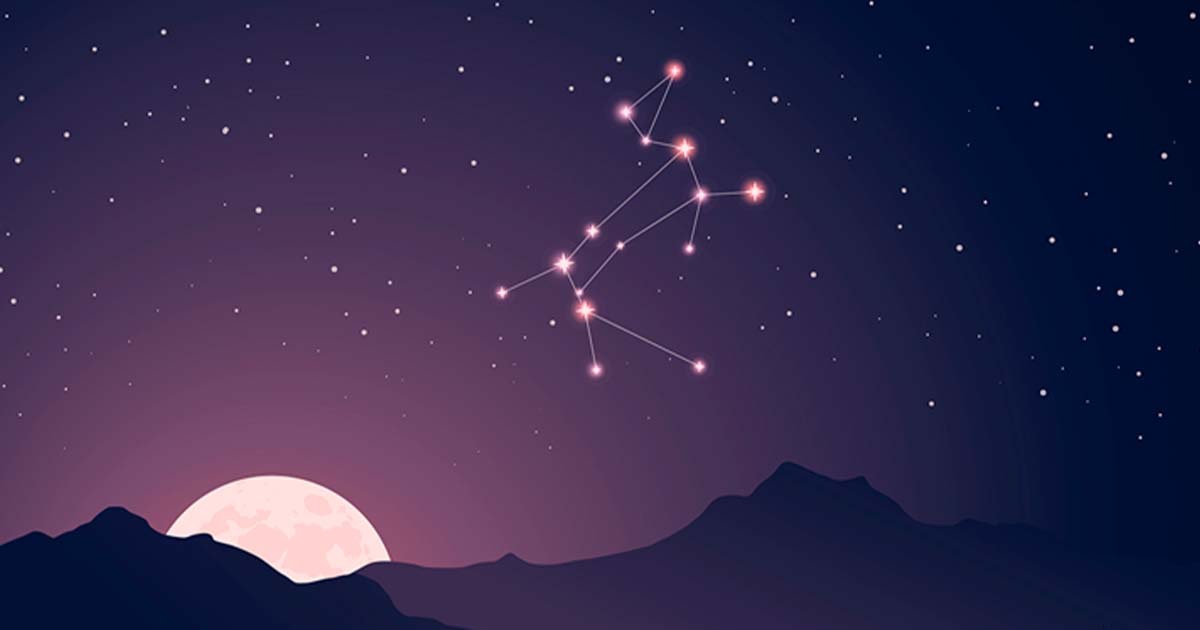
The phrase “dog days of summer” is actually a reference to Sirius (the Dog Star) which is part of the constellation, Canis Major (the Greater Dog). As Sirius is the brightest star in the night sky and quite literally means “scorching,” when those in ancient civilizations noticed that it began to rise with the sun after the summer solstice, they thought the sweltering days were caused by the Earth’s proximity to the star. The Ancient Greeks and Romans then began to refer to the late summer period of July 3 to August 11 as “dies caniculares” or “dog star days.” Even though the heliacal rising of Sirius doesn’t begin until mid-August nowadays, the translated and trimmed saying seems to have stuck.
In the vast realm of storytelling and world-building, the Dog Days of summer offer a surprising source for inspiration. This meteorological phenomenon has been woven into the fabric of cultures worldwide, each infusing their own unique flavor into the scorching days when Sirius, the Dog Star, rises with the sun. Among these cultural interpretations, the Greek concept of “Supymboiism” stands out as a fascinating starting point for storytellers and world builders seeking to explore this celestial event.
I. Greek Supymboiism:
The Greek Supymboiism, derived from “supymboia,” refers to the period when the scorching heat of summer reaches its peak. It is believed to originate from the Hellenistic era and finds its roots in the worship of Sirius, known as the Dog Star. According to Greek mythology, Sirius was the faithful hound of Orion, the mighty hunter.
- The Mythological Connection:
The Greeks believed that during the Dog Days, Sirius rose and set with the sun, intensifying the summer heat. They associated this phenomenon with the wrath of the goddess Artemis, who, in a fit of jealousy, sent Sirius to chase the nymph Callisto, who had been transformed into a bear by Zeus. The intense heat during these days was seen as a reflection of Artemis’s fiery anger.
- Storytelling Inspiration:
For storytellers and world builders, the Greek Supymboiism offers a rich tapestry of mythology to draw from. One can craft tales of divine conflicts, forbidden love, and quests to appease the angered gods during this scorching period. The concept of celestial beings like Sirius taking a physical form as Orion’s loyal hound can spark intriguing narratives.
II. Global References:
While the Greek Supymboiism offers a compelling lens, it’s only the tip of the iceberg when exploring the Dog Days of summer in different cultures around the world.
- Ancient Egypt:
In ancient Egypt, the rise of Sirius, known as “Sothis,” marked the beginning of the Nile flood season, bringing life-sustaining waters to the land. This event was celebrated with festivities and ceremonies, often featuring the goddess Isis. Storytellers can weave narratives of renewal, abundance, and the eternal cycle of life based on this Egyptian perspective.
- Chinese Folklore:
Chinese culture has its own interpretation of the Dog Days, known as “Xiaoshu” or “Minor Heat.” It signifies the hottest period of summer and is associated with the mythical creature called the “Three-Legged Sun Crow.” This creature was believed to be responsible for bringing sweltering heat to the mortal world. Stories of heroes challenging this celestial crow and seeking balance in nature can emerge from this tradition.
- Roman Influence:
The Romans, influenced by the Greeks, adopted their concept of the Dog Days. They believed that the intense heat was a time of ill omens and misfortune. Storytellers can delve into Roman superstitions and create narratives of characters navigating adversity during this ominous period.
The Dog Days of summer, with its global interpretations and rich mythologies, provide storytellers and world builders with a wellspring of inspiration. From the Greek Supymboiism’s divine conflicts to Egypt’s celebration of life-giving floods and China’s mythical sun crow, these cultural references offer endless possibilities for crafting engaging narratives and immersive worlds that embrace the scorching embrace of the Dog Days. So, venture forth and let your creativity shine as brightly as the Dog Star itself.
I can only imaging what lore and stories I’m forgetting, let alone those I’ve yet to encounter. Please leave your thoughts in the comments below!
How would you put these stories into practice, say in your next fairytale, D&D campaign, or that poetry collection you’re working on?
Until next time, let the crows sing!
Cheers,
Bumi

Leave a Reply